
Trailer Guides for Boats: A Comprehensive Guide
Navigating the world of boat trailers requires understanding essential components like trailer guides‚ ensuring safe and efficient launching and retrieval processes for all boaters.
Understanding Trailer Guides
Trailer guides are pivotal accessories‚ streamlining the process of aligning your boat with the trailer during launch and retrieval. They minimize potential damage to both the vessel and the trailer itself.
Properly installed guides act as directional aids‚ gently channeling the boat’s hull into the correct position.
This is especially crucial for solo operators or in challenging conditions like windy days or currents.
Understanding their function is the first step towards a smoother boating experience‚ preventing frustrating delays and costly repairs.

What are Trailer Guides?
Trailer guides are essential components affixed to a boat trailer‚ designed to assist in the smooth and controlled alignment of the boat during loading.
Definition and Purpose
Trailer guides serve a crucial function in the boat launching and retrieval process. They are typically positioned along the sides of the trailer‚ acting as directional aids for the boat’s hull. Their primary purpose is to guide the boat straight onto the trailer‚ preventing damage to both the boat and the trailer during these maneuvers.
Effectively‚ they minimize the need for precise alignment by the operator‚ especially in challenging conditions like windy days or currents. Properly installed guides contribute significantly to a safer and more efficient boating experience‚ reducing stress and potential for costly repairs.
Types of Trailer Guides
Trailer guides come in various configurations‚ including bow‚ side‚ carpeted‚ and non-carpeted options‚ alongside adjustable and fixed designs to suit diverse boating needs;
Bow Guides vs. Side Guides
Bow guides‚ positioned at the front of the trailer‚ excel at centering the boat’s bow during retrieval‚ particularly useful for deeper launches and single-person operations. They offer focused directional control.
Side guides‚ running along the boat’s hull‚ provide broader support and are beneficial for boats with varying hull shapes. They help prevent scraping and damage during the loading process. Choosing between them depends on your boat’s design and typical launching conditions‚ with some boaters even opting for a combination of both for enhanced guidance.
Carpeted vs. Non-Carpeted Guides
Carpeted trailer guides offer superior hull protection‚ minimizing scratches and providing a softer contact point during loading and unloading. The carpet absorbs impact and reduces noise‚ but requires periodic cleaning and eventual replacement as it wears.
Non-carpeted guides‚ typically made of rubber or plastic‚ are more durable and easier to maintain. However‚ they may increase the risk of hull abrasion. Selecting the right type depends on your boat’s hull material and your preference for protection versus convenience.
Adjustable vs. Fixed Guides
Adjustable trailer guides provide versatility‚ accommodating various boat hull shapes and sizes. Their height and angle can be modified to ensure proper alignment during loading‚ crucial for boats with unique keels or deep-V hulls. This adaptability enhances the launching process.
Fixed guides are simpler and more cost-effective‚ suitable for boats with standard hull designs. While they offer reliable performance‚ they lack the customization options of adjustable guides‚ potentially causing issues with certain boat types.
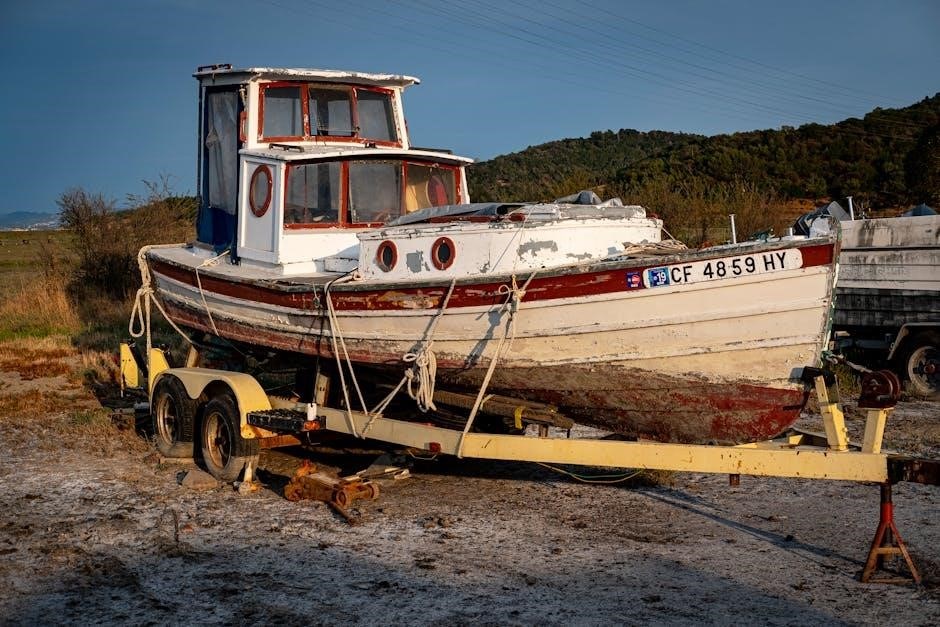
Choosing the Right Trailer Guides
Selecting appropriate trailer guides hinges on boat dimensions‚ hull form‚ and material resilience; careful consideration ensures optimal performance and protects your vessel during transport.
Boat Size and Weight Considerations
Determining the correct trailer guides necessitates a thorough assessment of your boat’s size and overall weight capacity. Larger‚ heavier vessels demand robust guides capable of providing substantial support during launch and retrieval.
Conversely‚ smaller boats require guides proportionate to their dimensions‚ preventing unnecessary strain or damage. Overloading guides can lead to premature wear and potential failure‚ compromising safety.
Always consult your boat’s manufacturer specifications and the trailer’s weight rating to ensure compatibility and select guides accordingly‚ prioritizing a secure and stable transport experience.
Hull Shape Compatibility
Selecting trailer guides must account for your boat’s specific hull shape – V-hull‚ pontoon‚ or flat-bottom. V-hulls generally benefit from adjustable guides that conform to the hull’s contours‚ ensuring even weight distribution.
Pontoon boats often require wider‚ more substantial guides to accommodate their broad beams. Flat-bottom hulls may need guides positioned carefully to prevent rocking or instability during loading.
Incorrect guide placement can cause damage to the hull or trailer‚ so careful consideration of the hull’s geometry is crucial for a secure and damage-free launch.
Material Durability (Rubber‚ Plastic‚ Carpet)
Trailer guide materials significantly impact longevity and boat protection. Rubber guides offer excellent cushioning and grip‚ resisting cracking and UV damage‚ making them a durable choice.
Plastic guides are cost-effective but can become brittle over time‚ especially in harsh climates. Carpeted guides provide superior protection against scratches and scuffs‚ ideal for gelcoat finishes.
However‚ carpet can harbor mildew and require more frequent cleaning. Consider your boating environment and budget when selecting the most suitable material for lasting performance.

Installation of Trailer Guides
Securely attaching trailer guides involves specific tools and a methodical process‚ ensuring proper alignment and functionality for smooth boat loading and unloading operations.
Tools and Materials Needed
For a successful trailer guide installation‚ gather essential tools first. You’ll require a drill with appropriate bits‚ a screwdriver set (Phillips and flathead)‚ a measuring tape for precise placement‚ and a level to ensure guides are aligned correctly.
Materials include the trailer guides themselves‚ stainless steel bolts‚ nuts‚ and washers for durability‚ and potentially marine-grade sealant to prevent water intrusion. Depending on the trailer and guide type‚ you might also need self-tapping screws or mounting brackets. Don’t forget safety glasses!
Step-by-Step Installation Process
Begin by positioning the trailer guides‚ ensuring proper alignment with the boat’s hull. Mark the mounting holes accurately. Next‚ pre-drill pilot holes to prevent splitting the trailer frame.
Securely attach the guides using stainless steel bolts‚ nuts‚ and washers‚ tightening them firmly but avoiding over-tightening. Apply marine-grade sealant around the mounting points to prevent corrosion and water damage. Finally‚ double-check alignment and stability before loading your boat.
Maintenance and Care of Trailer Guides
Regular cleaning and inspection of trailer guides are crucial for longevity and performance‚ preventing damage and ensuring smooth boat launching every time.
Cleaning and Inspection
Consistent cleaning is paramount for trailer guide maintenance. After each use‚ thoroughly rinse the guides with fresh water to remove saltwater‚ debris‚ and grime. Inspect for cracks‚ tears‚ or loosening of carpeted surfaces.
Pay close attention to rubber or plastic components‚ checking for signs of UV damage or wear. Regularly examine mounting hardware‚ ensuring bolts are tight and there’s no corrosion. Early detection of issues prevents costly repairs and guarantees safe boat handling during launch and retrieval operations.
Replacing Worn-Out Guides
When trailer guides exhibit significant damage‚ replacement is crucial. Begin by carefully removing the old guides‚ noting the mounting configuration. Select replacement guides compatible with your trailer and boat’s specifications.
Ensure proper alignment during installation‚ securing the new guides firmly with appropriate hardware. Consider upgrading to more durable materials for extended lifespan. Regularly checking and replacing worn guides maintains optimal boat positioning and prevents potential damage during launching and retrieval procedures.
Preventative Measures to Extend Lifespan
Proactive care significantly extends the life of your trailer guides. After each use‚ thoroughly rinse them with fresh water to remove saltwater‚ sand‚ and debris. Inspect for cracks‚ tears‚ or loose mounting hardware regularly.
Apply a UV protectant spray to prevent sun damage‚ especially for rubber or plastic guides. Avoid excessive force during launching and retrieval. Proper maintenance ensures reliable performance and minimizes the need for frequent replacements‚ saving both time and money.
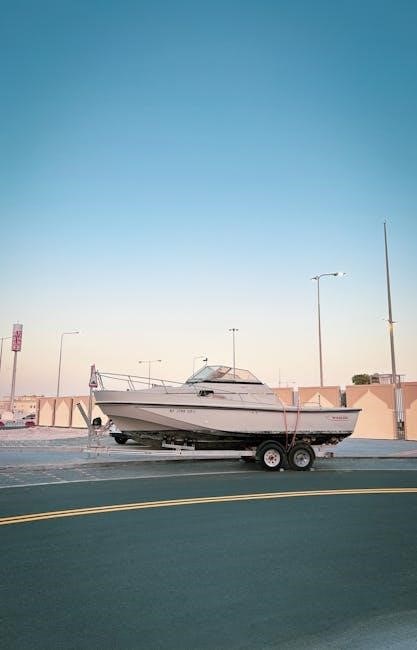
Troubleshooting Common Issues
Addressing alignment problems‚ damage from use‚ or sticking guides is crucial for maintaining a functional trailer system and ensuring smooth boat handling.
Guides Not Aligning Properly
Misalignment often stems from loose mounting hardware or bent guide frames. Thoroughly inspect all bolts and screws‚ tightening as needed‚ and ensure the guides are perpendicular to the trailer bed.
Check for obstructions hindering proper positioning‚ like debris or corrosion. If the issue persists‚ the trailer frame itself might be bent‚ requiring professional assessment. Carefully examine the guide posts for any visible damage or warping that could contribute to the misalignment‚ impacting the boat’s centering during launch and retrieval.
Damage to Guides During Launching/Retrieval
Impacts with the dock or bottom during launch/retrieval are common causes of guide damage. Rubber or carpeted guides absorb some shock‚ but repeated forceful contact leads to wear and tear. Inspect for cracks‚ tears‚ or detachment after each use.
Aggressive maneuvering or excessive speed exacerbates the problem. Regularly check mounting points for stress fractures. Promptly replace damaged guides to prevent further issues and potential boat hull damage during subsequent launches or retrievals‚ ensuring continued safe operation.
Sticking or Binding Issues
Sticking or binding often arises from debris accumulation – sand‚ barnacles‚ or algae – hindering smooth boat movement along the guides. Thorough cleaning with fresh water and a mild detergent is crucial after each use‚ especially in saltwater environments.
Lubrication with a marine-grade silicone spray can alleviate friction. Inspect guides for warping or misalignment‚ which can cause binding. Ensure proper adjustment to accommodate the boat’s hull shape‚ preventing unnecessary pressure and facilitating effortless launching and retrieval.
Improving Boat Launching with Guides
Utilizing trailer guides alongside proper techniques streamlines launching‚ minimizing stress on the boat and trailer‚ and ensuring a smoother‚ safer experience for everyone involved.
Proper Launching Techniques
Before backing down the ramp‚ disconnect safety chains and ensure the boat’s drain plug is securely in place. Slowly reverse‚ allowing the trailer guides to gently center the boat. Maintain steady‚ controlled movement‚ avoiding sudden stops.
As the boat floats‚ continue backing until the hull clears the trailer’s end. Once afloat‚ immediately move the vehicle to a staging area‚ freeing the ramp for others. Remember to keep passengers low in the boat during the process‚ maintaining balance and stability‚ especially when towing another vessel.
Retrieval Best Practices
Begin by slowly driving the trailer into the water‚ aligning with the boat. Use the trailer guides to help center the boat onto the trailer as you winch it forward. Maintain a slow and steady pace‚ avoiding jerky movements that could damage the hull or guides.
Once the boat is secured‚ carefully pull the trailer out of the water. Remember to keep passengers low for stability. After retrieval‚ secure the boat with straps and chains before transporting it‚ ensuring a safe journey.
Avoiding Common Mistakes
Don’t rely solely on trailer guides; use them in conjunction with careful observation. Overloading the trailer compromises control and increases stress on guides and the hull. Avoid high speeds during launching and retrieval‚ as this heightens the risk of damage.
Neglecting pre-launch checks – like ensuring proper alignment – can lead to issues. Regularly inspect guides for wear and tear‚ and never tow with damaged equipment. Prioritize slow‚ controlled movements for optimal safety.
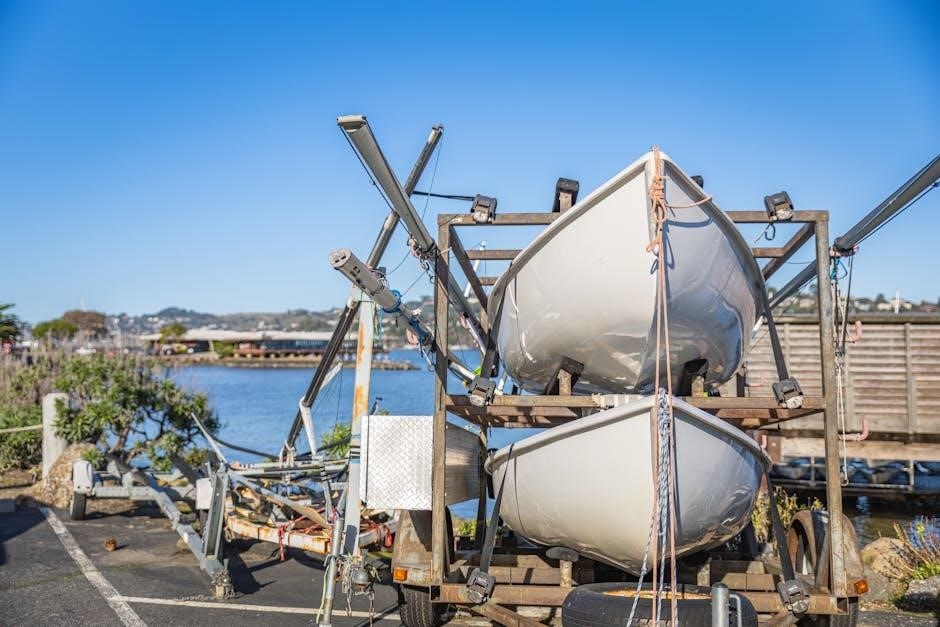
Electrical System Troubleshooting Basics
A multimeter is an invaluable tool for diagnosing boat electrical issues‚ helping to pinpoint faults in wiring‚ connections‚ and components for safe operation.
The Importance of a Multimeter
For boat owners‚ especially those with older vessels‚ a multimeter transcends being merely a tool; it’s a necessity. Electrical systems degrade over time due to exposure to marine environments. A multimeter allows you to proactively test circuits‚ identify corrosion‚ and confirm proper voltage.
Without one‚ diagnosing electrical faults becomes guesswork‚ potentially leading to costly repairs or‚ worse‚ dangerous situations. It empowers owners to troubleshoot independently‚ saving on professional fees and ensuring the boat’s electrical integrity remains sound for reliable performance on the water.
Basic Multimeter Usage for Boat Systems
Understanding basic multimeter functions is crucial for boat maintenance. Start by selecting the appropriate setting – voltage (DC or AC)‚ continuity‚ or resistance. When testing voltage‚ connect the red probe to the positive terminal and black to negative.
Continuity testing verifies circuit connections; a beep indicates a complete path. Resistance measures opposition to current flow. Always disconnect power before testing resistance. Prioritize safety and consult your multimeter’s manual for detailed instructions and proper usage techniques.
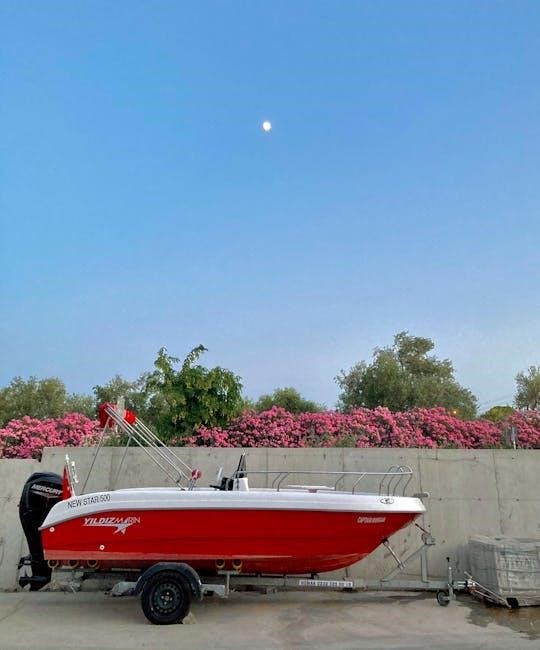
Boat Floor Repair and Covering Options
Addressing soft flooring often involves transom repairs‚ utilizing epoxy coatings or marine carpet adhesives for durable‚ long-lasting solutions to restore boat integrity.
Addressing Soft Flooring and Transom Issues
Identifying and rectifying soft flooring is crucial for boat safety and longevity. Often‚ this stems from water intrusion‚ weakening the wood core. A common approach involves removing the damaged sections and replacing them with marine-grade plywood‚ thoroughly sealed with epoxy resin.
Transom issues frequently accompany soft flooring‚ requiring similar repair strategies. Careful inspection is vital to determine the extent of the damage. Properly addressing both issues prevents further deterioration and maintains structural integrity‚ ensuring a safe boating experience. Ignoring these problems can lead to costly repairs down the line.
Epoxy Floor Coatings for Boats
Epoxy coatings offer a durable‚ waterproof alternative to traditional boat carpeting. These two-part systems‚ like those from Quikrete‚ create a seamless‚ resilient surface resistant to oil‚ gas‚ and general wear. Tintable options allow for customization‚ achieving a semi-gloss finish that’s easy to clean.
Proper surface preparation is key for optimal adhesion; thorough cleaning and sanding are essential. Epoxy provides a modern‚ low-maintenance flooring solution‚ enhancing the boat’s aesthetic and protecting the underlying structure from moisture damage. It’s a long-lasting investment.
Marine Carpet Adhesive Selection
Choosing the correct adhesive is crucial when installing marine carpeting. Indoor/outdoor carpet adhesives aren’t always suitable; specifically formulated marine adhesives are recommended for lasting bonds in a wet environment.
Home Depot carries indoor/outdoor adhesives explicitly labeled for marine carpet applications‚ unlike some Lowes products. Ensure the adhesive is designed for marine use to prevent delamination and mildew growth. Proper application‚ following manufacturer instructions‚ guarantees a secure and long-lasting carpet installation.
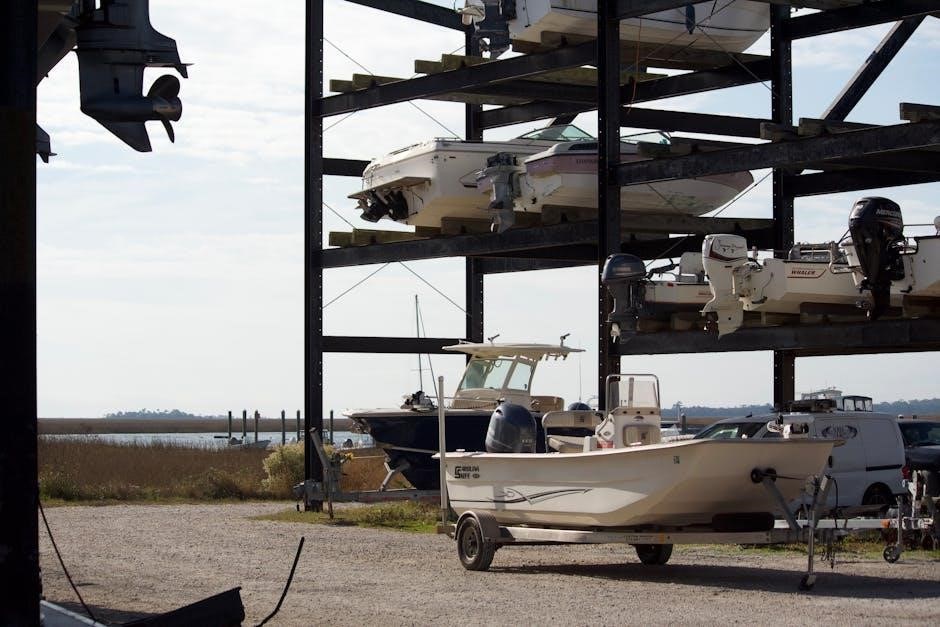
Boat Lift Considerations
Adapting boat lifts for various hull types is often achievable‚ but sometimes purchasing a lift specifically designed for your boat’s hull proves more effective.
Converting Boat Lifts for Different Hull Types
Modifying a boat lift to accommodate a different hull shape requires careful assessment. Pontoon lifts‚ for instance‚ often need adjustments to securely cradle a V-hull. Consider the lift’s capacity and ensure it can handle the boat’s weight.
Advertisements for used lifts on platforms like Craigslist can reveal options suited to various hull designs. However‚ prioritize safety and structural integrity over cost savings. Improper modifications can damage both the boat and the lift‚ leading to costly repairs or even accidents.
Finding Used Boat Lifts
Sourcing a used boat lift can be a cost-effective alternative to purchasing new‚ but diligent research is crucial. Online marketplaces like Craigslist frequently list used lifts‚ offering a range of options and price points.
Thoroughly inspect any potential purchase for signs of wear‚ corrosion‚ or damage. Verify the lift’s capacity matches your boat’s weight and consider the cost of transportation and installation. Prioritize lifts with readily available replacement parts for long-term maintenance.

Towing Safety with Boats
Prioritize safe towing practices by maintaining appropriate speeds and passenger placement‚ understanding line stretch‚ and mitigating potential hazards during boat transportation.
Safe Towing Speeds
Maintaining controlled towing speeds is paramount for safety. Discussions highlight the dangers of excessive velocity‚ emphasizing that slower speeds better absorb potential shocks from line stretching.
A snapped tow line‚ storing significant energy‚ can cause serious personal injury. Therefore‚ adhering to posted speed limits and adjusting for conditions—like weather or road quality—is crucial.
Remember‚ a slower‚ more deliberate pace minimizes risks and ensures a secure journey for both the boat and the towing vehicle‚ protecting everyone involved.
Passenger Placement During Towing
Strategic passenger positioning significantly enhances towing safety. Online discussions emphasize keeping all passengers low within both the towing vehicle and the towed boat.
This lower center of gravity improves stability and reduces the risk of injury during sudden stops or maneuvers. Distributing weight evenly is also key to maintaining control.
Prioritizing a balanced load and instructing passengers to remain seated throughout the journey contributes to a safer and more comfortable towing experience for everyone involved.
Line Stretch and Potential Hazards
Understanding line stretch is crucial for safe boat towing. Common tow lines possess significant elasticity‚ storing substantial energy when under tension.
Should a line snap‚ this stored energy releases violently‚ posing a serious risk of personal injury to anyone nearby. Therefore‚ maintaining slower towing speeds is paramount.
Regularly inspect tow lines for wear and tear‚ and always utilize lines rated for the combined weight of the boats being towed to mitigate potential hazards and ensure a secure connection.