Ingersoll Rand Model 2475 Parts Manual: A Comprehensive Guide
This manual serves as your essential guide for navigating the intricacies of the Ingersoll Rand 2475‚ ensuring optimal performance and longevity of your compressor system.
The Ingersoll Rand 2475 is a robust and reliable air compressor widely utilized across diverse industrial applications‚ from manufacturing and automotive repair to construction and maintenance. Known for its durability and efficient performance‚ the 2475 model delivers consistent compressed air for powering a multitude of pneumatic tools and equipment. This parts manual is specifically designed to assist owners‚ technicians‚ and maintenance personnel in understanding the compressor’s intricate components and facilitating effective repairs and upkeep.
Understanding the internal workings of the 2475 is crucial for maximizing its operational lifespan and minimizing downtime. This guide provides detailed exploded view diagrams‚ comprehensive part number listings‚ and clear instructions for interpreting Bills of Materials (BOMs). Whether you’re performing routine maintenance or addressing complex repairs‚ this manual will empower you with the knowledge needed to keep your Ingersoll Rand 2475 operating at peak efficiency.
Understanding the Importance of a Parts Manual
A comprehensive parts manual is indispensable for the effective maintenance and repair of any complex machinery‚ and the Ingersoll Rand 2475 air compressor is no exception. This manual transcends a simple parts list; it’s a vital resource for ensuring the longevity‚ safety‚ and optimal performance of your equipment. Accurate identification of components‚ facilitated by detailed diagrams and part numbers‚ prevents costly errors during repairs and minimizes downtime.
Furthermore‚ a parts manual empowers technicians to perform precise replacements‚ maintaining the compressor’s original specifications and preventing compatibility issues. Access to this information streamlines the ordering process‚ ensuring you receive the correct parts promptly. Ultimately‚ investing time in understanding and utilizing this manual translates to reduced maintenance costs‚ increased operational efficiency‚ and a prolonged service life for your Ingersoll Rand 2475.
Key Components and Their Functions
The Ingersoll Rand 2475 relies on a synergy of crucial parts‚ including the pump assembly‚ electric motor‚ control system‚ and filters‚ working harmoniously for efficient operation.
Air Compressor Pump Assembly
The heart of the Ingersoll Rand 2475 is its robust air compressor pump assembly‚ meticulously engineered for reliable performance and durability. This assembly is responsible for drawing in atmospheric air‚ compressing it to the desired pressure‚ and delivering it to the storage tank. Key components within the pump include the piston rings‚ cylinder‚ and valve plate‚ all working in concert to facilitate efficient compression.
Understanding the function of each element is vital for maintenance and troubleshooting. Worn piston rings can lead to reduced compression‚ while cylinder wear impacts overall efficiency. The valve plate‚ crucial for directing airflow‚ requires periodic inspection and potential replacement. Proper lubrication and regular maintenance of the pump assembly are paramount to extending its lifespan and ensuring consistent air delivery for your pneumatic tools and applications.
Electric Motor Specifications
The Ingersoll Rand 2475 utilizes a high-efficiency electric motor‚ specifically designed to power the air compressor pump assembly. Detailed motor specifications are crucial for ensuring correct operation and selecting appropriate replacement parts. Typically‚ these motors are three-phase induction motors‚ offering reliable and consistent power delivery.
Key specifications include voltage (often 230/460V)‚ horsepower (ranging depending on the model variant)‚ and RPM (revolutions per minute). Understanding the motor’s frame size and service factor is also important for compatibility and overload protection. Always refer to the parts manual for the precise motor specifications applicable to your specific 2475 model‚ as variations may exist. Proper motor maintenance‚ including bearing lubrication and electrical connection checks‚ is essential for optimal performance.
Control System Overview
The Ingersoll Rand 2475’s control system manages the compressor’s operation‚ ensuring efficient and safe performance. This system typically incorporates a pressure switch‚ essential for maintaining the desired air pressure within the tank. The control panel houses key components‚ including the start/stop button‚ pressure gauges‚ and often‚ overload protection devices.
Understanding the wiring diagrams within the parts manual is vital for troubleshooting and repairs. The system regulates motor operation based on pressure levels‚ automatically starting and stopping the compressor as needed. Proper functioning of the control system is paramount for preventing damage and ensuring consistent air supply. Regular inspection of electrical connections and component functionality is recommended for optimal reliability.
Pressure Switch Details
The pressure switch is a critical component of the Ingersoll Rand 2475‚ regulating the compressor’s start and stop points based on tank pressure. The parts manual provides detailed diagrams illustrating its location and wiring. Typically‚ it features adjustable cut-in and cut-out pressure settings‚ allowing customization to specific application needs.
Troubleshooting a faulty pressure switch involves verifying electrical continuity and proper air passage. Common issues include sticking contacts or a damaged diaphragm. Replacement requires careful attention to wiring and pressure setting adjustments‚ as detailed in the manual. Ensuring correct operation prevents over-pressurization or insufficient air supply‚ safeguarding both the compressor and connected tools.
Air Filter and Intake System
Maintaining a clean air intake is paramount for the longevity of the Ingersoll Rand 2475. The parts manual dedicates sections to the air filter‚ intake valve‚ and associated piping. A clogged filter restricts airflow‚ reducing compressor efficiency and potentially causing overheating. Regular inspection and replacement‚ as outlined in the manual’s maintenance schedule‚ are crucial.
The manual details various filter types and their corresponding part numbers. Replacement procedures emphasize proper sealing to prevent unfiltered air from entering the system. Inspecting the intake system for leaks or obstructions ensures optimal performance. A well-maintained intake system protects the compressor’s internal components from abrasive particles‚ extending its operational life and minimizing downtime.
Locating Parts within the Manual
The manual utilizes exploded view diagrams and a precise numbering system‚ simplifying part identification and ensuring accurate ordering for your Ingersoll Rand 2475.
Exploded View Diagrams
The Ingersoll Rand 2475 Parts Manual prominently features detailed exploded view diagrams. These visual representations are crucial for understanding the assembly and disassembly of the compressor. Each diagram meticulously illustrates how individual components relate to one another‚ providing a clear spatial understanding. These diagrams aren’t merely pictures; they are carefully constructed blueprints for repair and maintenance.
Each part is labeled with its corresponding reference number‚ directly linking to the Bill of Materials (BOM) for easy identification. The diagrams are organized logically‚ often breaking down complex assemblies into manageable sub-assemblies. This approach allows technicians to focus on specific areas without being overwhelmed by the entire system. Utilizing these diagrams significantly reduces the risk of incorrect reassembly and ensures efficient troubleshooting. They are an invaluable asset for both experienced mechanics and those new to compressor maintenance.

Part Numbering System
Ingersoll Rand employs a systematic part numbering system within the 2475 Parts Manual‚ designed for precise identification and ordering of replacement components. This system isn’t random; it’s a carefully constructed code revealing crucial information about the part itself. Typically‚ a part number will contain a series of digits and/or letters‚ indicating the component’s function‚ size‚ material‚ and specific revision level.
Understanding this system is vital for avoiding errors when requesting parts. The manual provides a key to deciphering the code‚ explaining the meaning behind each segment of the number. This ensures that the correct replacement is always obtained‚ minimizing downtime and maximizing efficiency. Accurate part numbers are essential for warranty claims and maintaining a comprehensive maintenance record. Referencing the manual’s part numbering guide is a best practice for all users.
Bill of Materials (BOM) Interpretation
The Bill of Materials (BOM) within the Ingersoll Rand 2475 Parts Manual is a detailed list of all components required to assemble a specific part or the entire compressor. Each entry meticulously details the part number‚ description‚ quantity needed‚ and often‚ any applicable notes regarding assembly or compatibility. Effectively interpreting the BOM is crucial for accurate parts ordering and successful repairs.
Users should pay close attention to the quantity column‚ ensuring they order the correct number of each component. Notes may indicate specific revisions or required accessories. The BOM is organized logically‚ often mirroring the exploded view diagrams for easy cross-referencing. Mastering BOM interpretation streamlines the maintenance process‚ reducing errors and ensuring a complete repair. It’s a cornerstone of efficient compressor upkeep.
Common Replacement Parts
Regularly replacing components like piston rings‚ valve plates‚ air filters‚ and pressure switches is vital for maintaining peak performance and preventing costly downtime.
Piston Rings and Cylinder Wear
Piston rings are critical for maintaining compression within the air compressor pump assembly. Over time‚ these rings experience wear due to friction and the abrasive nature of compressed air. Signs of worn piston rings include reduced compressor efficiency‚ lower air delivery‚ and increased oil consumption. Regular inspection is crucial; look for scoring or breakage on the rings themselves.
Cylinder wear accompanies piston ring deterioration. The cylinder walls can become scored or tapered‚ preventing a proper seal even with new rings. Assessing cylinder condition often requires specialized measuring tools to determine if reboring or replacement is necessary. Ignoring cylinder wear will quickly lead to premature failure of replacement piston rings‚ creating a recurring maintenance issue. Proper lubrication and air filtration significantly extend the lifespan of both piston rings and cylinders.
Valve Plate Maintenance
The valve plate is a vital component directing airflow within the compressor pump. Its proper function is essential for efficient compression and delivery of air. Regular maintenance involves inspecting the reed valves for damage‚ such as cracks‚ breaks‚ or debris buildup. Damaged valves prevent proper sealing‚ leading to reduced output and increased energy consumption.
Valve plate wear often manifests as erratic pressure fluctuations. Careful examination should also reveal any signs of corrosion or erosion on the plate’s surface. Replacement of the entire valve plate assembly is often recommended when significant wear is detected‚ as individual valve replacement can be challenging and may not fully restore performance. Maintaining clean intake air and proper lubrication are key preventative measures‚ extending the valve plate’s operational life.
Air Filter Replacement Procedures
Maintaining a clean air filter is paramount for optimal compressor performance and longevity. A clogged filter restricts airflow‚ reducing efficiency and potentially damaging internal components. Replacement frequency depends on the operating environment‚ but regular checks are crucial. Begin by safely shutting down and disconnecting the compressor from its power source.
Locate the air filter housing‚ typically near the compressor’s intake. Carefully open the housing and remove the old filter‚ noting its orientation for correct installation of the new one. Clean the housing interior to remove any accumulated debris. Install the new filter‚ ensuring a proper seal. Reassemble the housing and restart the compressor‚ verifying proper operation. Always use a genuine Ingersoll Rand replacement filter to guarantee compatibility and performance.
Oil Separator Element Details
The oil separator element is a critical component in maintaining oil-free compressed air. Its function is to efficiently remove oil droplets entrained within the compressed air stream‚ ensuring a clean output for sensitive applications. Regular replacement of this element is vital‚ as a saturated separator diminishes its effectiveness‚ leading to oil carryover and potential contamination.
Ingersoll Rand oil separator elements are engineered for high efficiency and durability. Replacement intervals depend on operating conditions and air quality‚ but scheduled maintenance is recommended. When replacing‚ ensure the new element is correctly seated and sealed to prevent air bypass. Using genuine Ingersoll Rand replacement elements guarantees optimal performance and prevents damage to downstream equipment. Proper disposal of used elements is also essential‚ following local environmental regulations.
Pressure Switch Troubleshooting & Replacement
The pressure switch governs the compressor’s start and stop cycles‚ maintaining desired air pressure. Troubleshooting begins with verifying electrical connections and air line integrity. If the compressor fails to start or runs continuously‚ the switch is a prime suspect. Use a multimeter to test for continuity across the switch contacts at various pressure settings.
Replacement requires disconnecting power and relieving air pressure. Carefully note the existing wiring configuration before removal. Install the new switch‚ ensuring proper sealing to prevent air leaks. Adjust the cut-in and cut-out pressure settings according to the manufacturer’s specifications. Incorrect settings can lead to inefficient operation or equipment damage. Always use a genuine Ingersoll Rand replacement switch for reliable performance and safety.
Maintenance and Troubleshooting
Regular maintenance extends the life of your Ingersoll Rand 2475. This section details scheduled checks‚ common issue resolutions‚ and vital safety protocols during repairs.
Scheduled Maintenance Checklist
Maintaining peak performance of your Ingersoll Rand 2475 requires a consistent maintenance schedule. Daily checks should include verifying oil levels and inspecting for unusual noises or vibrations. Weekly‚ examine air filters for cleanliness and replace as needed to ensure optimal airflow. Monthly‚ thoroughly inspect all hoses and connections for leaks‚ tightening where necessary.
Every three months‚ drain the compressor tank to remove accumulated moisture‚ preventing corrosion and extending tank life. Annually‚ a complete system overhaul is recommended‚ including replacing the oil separator element and inspecting the piston rings for wear. Regularly scheduled maintenance not only prevents costly downtime but also ensures the longevity and efficiency of your valuable air compressor investment. Adhering to this checklist guarantees reliable operation and minimizes potential issues.
Troubleshooting Common Issues
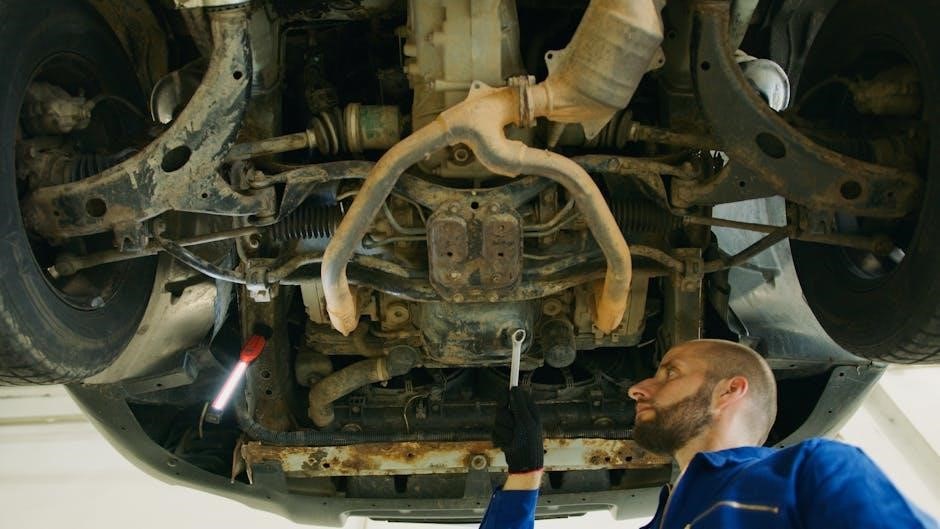
Addressing issues promptly is crucial for maintaining operational efficiency. If the compressor fails to start‚ verify power supply and check the pressure switch for proper functionality. Reduced air pressure often indicates a clogged air filter or a leak in the system – inspect both thoroughly. Unusual noises may signal worn piston rings or a failing valve plate‚ requiring immediate attention.
Overheating can stem from inadequate ventilation or insufficient oil levels; ensure proper cooling and lubrication. For persistent problems‚ consult the parts manual’s exploded view diagrams to identify potential faulty components. Remember safety first – disconnect power before any internal inspection or repair. Proactive troubleshooting minimizes downtime and extends the life of your Ingersoll Rand 2475.
Safety Precautions During Repair
Prioritizing safety is paramount when servicing the Ingersoll Rand 2475. Always disconnect the power supply and lockout/tagout the electrical source before commencing any repair work. Depressurize the air tank completely by opening the drain valve‚ ensuring no residual pressure remains. Wear appropriate personal protective equipment (PPE)‚ including safety glasses‚ gloves‚ and hearing protection.
Be mindful of hot surfaces‚ especially after operation‚ and allow sufficient cooling time. When handling components‚ exercise caution to avoid pinch points and sharp edges. Never attempt repairs beyond your skill level; consult a qualified technician if needed. Proper ventilation is essential when working with oils or solvents. Following these precautions minimizes risk and ensures a safe repair process.

Ingersoll Rand Product Lines & Expansion
Ingersoll Rand continually expands its offerings‚ becoming a single-source supplier with state-of-the-art drilling‚ solid carbide tools‚ milling‚ and turning solutions.
Solid Mills & Cutting Tools
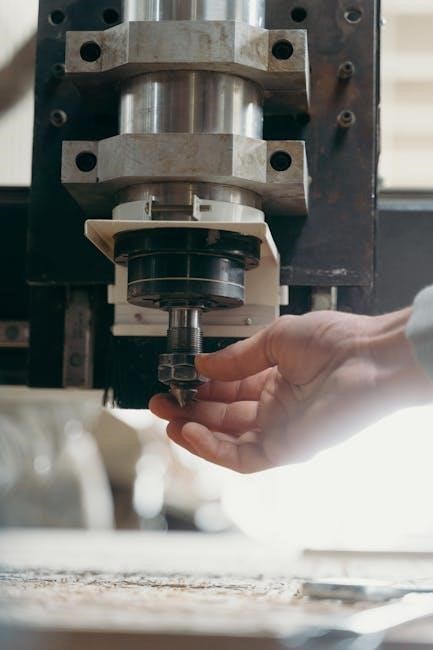
Ingersoll Rand’s solid mills represent a significant advancement in metal removal technology‚ catering to diverse industrial needs. These tools‚ available in cylindrical shank configurations ranging from Ø.250 to .750‚ feature 4 or 5 flutes and a 38-degree helix. Large corner radii contribute to chatter-free operation‚ while a combination of high-feed‚ variable pitch‚ and chip splitters enhance performance.
The serrated cutting edge‚ characterized by flat peaks‚ delivers a superior surface finish compared to conventional roughing end mills. This design proves particularly advantageous in cavity milling and heavy roughing cuts‚ maximizing efficiency and precision. Ingersoll Rand’s commitment to innovation ensures these cutting tools meet the demands of modern manufacturing processes‚ solidifying their position as a leader in the industry.
Threading Inserts & Technology
Ingersoll Rand offers a comprehensive range of threading inserts designed for optimal performance and versatility. These double-ended inserts‚ specifically engineered for threading operations‚ boast a 60-degree V partial profile‚ ensuring precision and efficiency. Patented chipbreaker geometries – FCB for finishing softer materials‚ CB for general purpose applications‚ and HCB for heavier depths of cut – optimize chip evacuation and tool life.
This advanced technology allows for superior thread quality and reduced machining time. Ingersoll Rand’s threading solutions are a testament to their dedication to providing cutting-edge tools for diverse manufacturing needs. The inserts are designed to maximize productivity and minimize downtime‚ contributing to overall operational efficiency and cost savings.
Ingersoll Rand as a Single-Source Supplier
Ingersoll Rand is strategically expanding its product lines to become a comprehensive‚ single-source supplier for all your cutting operation needs. This commitment extends beyond air compressors‚ encompassing drilling and solid carbide tools‚ alongside their established milling and turning solutions. By offering a complete portfolio‚ Ingersoll Rand streamlines procurement processes and reduces complexity for manufacturers;
With nearly 30‚000 products available‚ they provide tooling solutions for virtually any metal removal application. This expansion demonstrates Ingersoll Rand’s dedication to supporting customers throughout their entire manufacturing workflow‚ offering expertise in project-focused engineering and a full range of metal removal technology across all industries.

Resources and Support
Access digital catalogs‚ including PDF and responsive flip-book versions‚ and connect with Ingersoll Rand support for assistance with your 2475 parts needs.
Accessing Digital Catalogs
Ingersoll Rand provides comprehensive digital resources to streamline your parts identification and ordering process. All catalogs are conveniently located in one easily accessible area‚ designed for user-friendly navigation. You’ll discover a variety of formats to suit your preferences‚ including traditional PDF documents for download and offline viewing.
Furthermore‚ Ingersoll Rand offers fully responsive‚ interactive flip-book versions of their catalogs. These digital flip-books provide an engaging browsing experience‚ allowing you to virtually “flip” through the pages as if you were holding a physical catalog. This innovative format is optimized for viewing on any device – desktops‚ tablets‚ and smartphones – ensuring accessibility wherever you are.
These digital catalogs contain detailed information on all available parts for the Ingersoll Rand 2475‚ including exploded view diagrams‚ part numbers‚ and comprehensive bill of materials (BOM) data.
Contacting Ingersoll Rand Support
For personalized assistance with your Ingersoll Rand 2475 parts needs‚ Ingersoll Rand offers multiple avenues of support. Their dedicated team of experts is readily available to answer your questions‚ provide technical guidance‚ and assist with parts ordering. You can reach Ingersoll Rand support through their official website‚ where you’ll find a comprehensive contact form and frequently asked questions (FAQ) section.
Additionally‚ Ingersoll Rand provides direct phone support‚ allowing you to speak with a knowledgeable representative in real-time. This is particularly helpful for complex inquiries or urgent parts requests. Their commitment extends beyond simply selling parts; they aim to be a true partner in ensuring the continued operation and efficiency of your equipment.
Ingersoll Rand strives to provide prompt and effective support‚ helping you maximize the value of your investment in their products.
Understanding Product Category Offerings
Ingersoll Rand boasts a remarkably diverse portfolio‚ extending far beyond air compressors and replacement parts for models like the 2475. They are a world leader in metal removal technology‚ offering comprehensive solutions for milling‚ turning‚ and holemaking. Their product lines include Solid Mills – cylindrical shank tools designed for chatter-free performance in heavy roughing cuts – and advanced Threading inserts featuring patented chipbreaker technology for various materials.
With nearly 30‚000 products available‚ Ingersoll Rand positions itself as a single-source supplier for all cutting operation needs. They specialize in project-focused engineering‚ crafting custom cutting tool solutions tailored to specific industrial applications. Their expansion into drilling and solid carbide tools demonstrates a commitment to providing a complete range of metal removal solutions.
Explore their categorized catalogs to fully grasp the breadth of their tooling offerings.