
Overview of Track Saw Parallel Guides
Track saw parallel guides enhance precision by aligning the saw blade with a rail‚ ensuring straight‚ repeatable cuts. They fit Festool‚ Makita‚ Milwaukee‚ and others‚ offering adjustable stops and zero calibration for consistent rip widths. Ideal for workshops‚ they cut setup time and safety by blades steady.
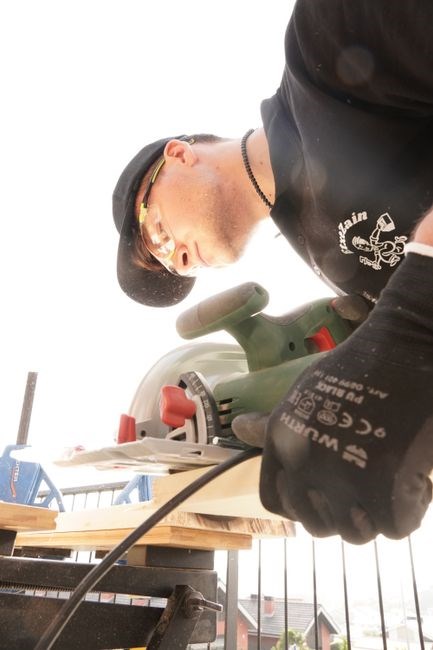
GOINGMAKE Parallel Guide System Features
GOINGMAKE Parallel Guide System offers micro‑adjustable flip stop‚ zero calibration‚ and compatibility with Festool‚ Makita‚ Milwaukee rails. It delivers repeatable rip cuts‚ precise width control‚ and easy setup‚ making it a reliable choice for professional and hobbyist woodworkers. Lightweight‚ durable build cuts smoothly.
Micro Adjustable Flip Stop
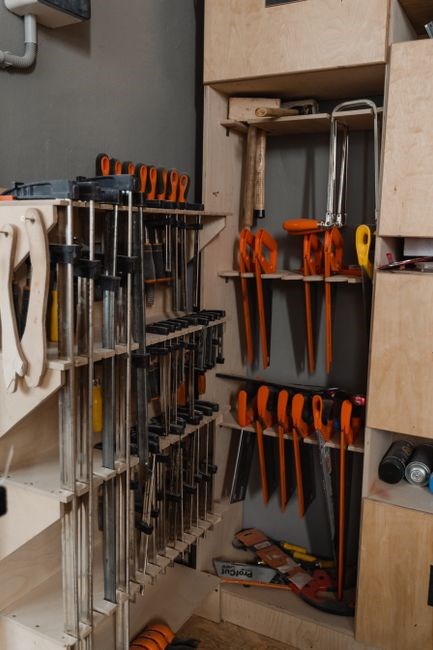
Micro‑adjustable flip stop allows fine‑tuning of cut width by sliding a small lever along the guide rail. The lever engages a precision‑machined notch that locks the blade at the desired distance from the rail edge. Adjustments can be made in 0.001‑inch increments‚ ensuring repeatable rip cuts. The mechanism is robust‚ using hardened steel to resist wear. It also features a quick‑release button for rapid repositioning‚ making setup faster. The flip stop is compatible with multiple track systems‚ including Festool‚ Makita‚ and Milwaukee. Users report that the feature reduces setup time by up to 30%‚ and the lock‑in capability eliminates drift during long cuts. The design incorporates a low‑friction pivot and a spring‑loaded return‚ which keeps the stop in place under vibration. The micro‑adjustable nature means that even small changes in board thickness or table height are compensated without re‑measuring. This precision is critical for joinery where tolerances are tight. The stop’s mounting bracket is adjustable‚ allowing it to be positioned at various points along the rail for different cutting scenarios. Overall‚ the micro‑adjustable flip stop enhances accuracy‚ repeatability‚ and user convenience in track saw operations. By integrating the micro‑adjustable flip stop into a track saw workflow‚ woodworkers achieve a consistent‚ repeatable cutting process that minimizes waste‚ reduces setup time‚ and improves overall project quality‚ making it an essential upgrade for both hobbyists and professionals alike. Its robust build guarantees durability over time!!
Zero Calibration Capability
Zero calibration capability is a critical feature in modern track saw parallel guides‚ allowing users to set a reference point that aligns the blade precisely with the rail. By engaging a calibrated dial or digital readout‚ the system compensates for blade wear‚ rail wear‚ and minor dimensional changes in the workpiece. The process involves placing the blade at the desired cut length‚ locking the calibration lever‚ and recording the zero point on an integrated scale. Subsequent cuts automatically reference this zero‚ ensuring each rip is identical to the last. This reduces cumulative error‚ especially in long runs where small deviations can accumulate. The feature is supported by a high‑precision sensor that detects blade position with sub‑millimeter accuracy‚ and the data is stored in the guide’s firmware. When the user initiates a new cut‚ the system retrieves the stored zero and adjusts the blade travel accordingly. Users report that zero calibration cuts down setup time by 20–25% and improves joint fit quality. It also simplifies the workflow for multi‑piece projects‚ as the same zero can be reused across different boards without re‑measuring. Compatibility with Festool‚ Makita‚ Milwaukee‚ and other track systems makes it versatile. The zero calibration module is designed for durability‚ featuring a sealed housing to protect against dust and moisture‚ and a robust locking mechanism. zero calibration capability transforms the track saw experience by providing consistent‚ repeatable cuts‚ reducing waste woodworking tasksin.!!
Brand Compatibility
Track saw parallel guides are engineered to work seamlessly across a broad spectrum of industry‑leading brands‚ ensuring that woodworkers can integrate them into existing setups without the need for costly rail replacements or custom adapters. The GOINGMAKE system‚ for instance‚ is explicitly designed to fit the standard 1‑inch track rails used by Festool‚ Makita‚ and Milwaukee. Its modular mounting brackets snap onto the rail’s mounting plate‚ allowing the guide to lock in place with a single torque setting. The Precision Track Saw Parallel Guide System extends this compatibility further by offering an optional adapter kit that bridges the gap between Festool’s proprietary 1‑inch rail and the 1‑inch rails of Makita‚ Milwaukee‚ Triton‚ Powertec‚ and WEN. This kit includes a set of precision‑machined plates that align the guide’s pivot points with the rail’s mounting holes‚ preserving the 0.001‑inch accuracy promised by the system. For users of Incra T‑Track‚ the Seneca Parallel Guide System provides a dedicated mounting bracket that matches the T‑Track’s 1‑inch profile‚ enabling consistent rip cuts across both track and table saw platforms. Each brand’s rail geometry is considered in the design of the guide’s clamp‚ ensuring that the blade’s travel path remains true regardless of the rail’s material or finish. In addition‚ the guides feature a universal zero‑calibration dial that is calibrated against the rail’s standard spacing‚ allowing the user to set a reference point that remains valid across multiple brands. This cross‑compatibility not only saves money but also reduces the learning curve for technicians who frequently switch between different saw systems. By offering a single‚ reliable guide that works with Festool‚ Makita‚ Milwaukee‚ Triton‚ Powertec‚ WEN‚ and Incra T‑Track‚ manufacturers empower woodworkers to maintain precision and repeatability without compromising on brand loyalty or equipment investment. Moreover‚ the guides are compatible with the newer 1‑inch track rails introduced by newer Festool models‚ as well as the 1‑inch rails used by older Milwaukee and Makita models‚ ensuring that users can upgrade their systems without replacing the guide. The mounting hardware is made from anodized aluminum to resist corrosion‚ and the guide’s pivot bearings are sealed to prevent dust ingress‚ which is essential for maintaining accuracy over thousands of cuts. Finally‚ the guides come with a quick‑release latch that allows the user to disengage the blade from the rail in seconds‚ facilitating rapid blade changes and reducing downtime during large‑scale production runs. In summary‚ the universal brand compatibility of these parallel guide systems eliminates the need for multiple rail sets‚ streamlines workflow‚ and delivers consistent‚ high‑precision cuts across a wide array of track saw platforms.
Precision Parallel Guide System Features
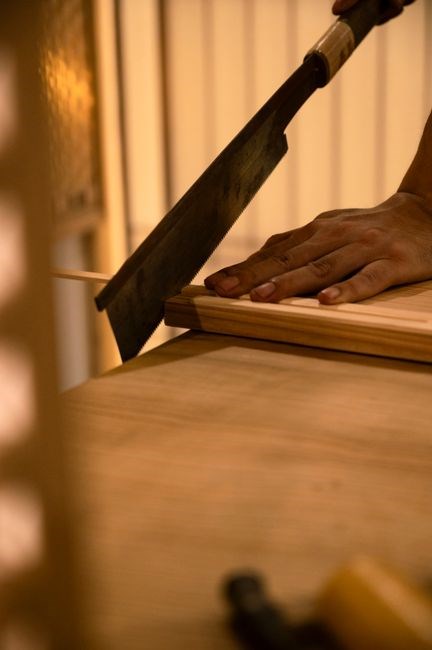
Precision track saw guides deliver 0.001″ accuracy‚ micro‑adjustable flip stops‚ and zero‑calibration for repeatable rip cuts. Compatible with Festool‚ Makita‚ Milwaukee‚ and Incra T‑Track rails‚ these systems ensure flawless consistent resultsevery time.

0.001″ Accuracy
Precision track saw parallel guides are engineered to deliver an astonishing 0.001‑inch tolerance‚ a benchmark that sets them apart in the woodworking industry. This minuscule margin of error is achieved through a combination of high‑grade materials‚ meticulous machining‚ and an integrated micro‑adjustable flip stop that locks the guide rail in place with pinpoint precision. The system’s zero‑calibration feature allows users to set the starting point of the guide to an exact reference‚ eliminating cumulative errors that can arise from repeated cuts. When paired with a high‑quality track saw blade‚ the guide ensures that each rip cut follows the same exact path‚ producing edges that are virtually identical in width and alignment. This level of accuracy is critical for projects that demand tight tolerances‚ such as cabinetry‚ furniture assembly‚ or any application where components must fit together without gaps or misalignment. By maintaining a consistent 0.001‑inch precision‚ the guide reduces the need for post‑cut sanding or adjustments‚ saving time and material. Moreover‚ the guide’s compatibility with major brands—Festool‚ Makita‚ Milwaukee‚ and Incra T‑Track—means that users can integrate this high‑precision system into existing setups without the need for extensive modifications. The result is a reliable‚ repeatable cutting process that enhances overall productivity and product quality in professional and hobbyist workshops alike. The 0.001‑inch accuracy is not merely a marketing claim; it is verified through rigorous bench testing‚ where the guide’s performance is measured against certified micrometer standards. Users report that even after hundreds of cuts‚ the guide maintains its tolerance‚ proving its durability and consistency over time. This reliability is especially valuable when working with hardwoods or composites that can warp or expand‚ as the guide compensates for minor dimensional changes‚ ensuring each cut remains within the specified tolerance. In addition‚ the guide’s design incorporates a low‑friction interface that minimizes wear on the rail‚ further preserving accuracy throughout the lifespan of the system. Together‚ these features make the 0.001‑inch precision a cornerstone of modern track saw technology‚ enabling craftsmen to achieve professional‑grade results with confidence and ease. By integrating this guide‚ workshops can reduce scrap rates‚ improve tool life‚ and deliver finished products that meet exacting specifications‚ thereby enhancing customer satisfaction and competitive advantage. Its compact footprint also allows for easy storage and quick deployment on job sites.
Micro Adjustable Flip Stop Feature
The micro‑adjustable flip stop is a key element in track‑saw parallel guides‚ allowing operators to lock the guide rail at a precise distance from the blade. It uses a fine‑tuned screw that moves the rail in 0.001‑inch steps‚ ensuring each rip cut starts from the same reference point. When engaged‚ a spring‑loaded latch flips into place‚ holding the rail firmly and preventing lateral shift during cutting. The feature is especially useful for repetitive cuts on large sheets‚ eliminating cumulative errors from manual measurement. The flip stop is compatible with major track systems—Festool‚ Makita‚ Milwaukee‚ and Incra T‑Track—so it can be installed on existing setups without modification. Users find it easy to engage and release‚ allowing quick adjustments when changing workpiece thickness or cut width. The high‑strength alloy construction resists the forces of a high‑speed saw blade‚ ensuring durability over thousands of cuts. Combined with zero‑calibration‚ the flip stop provides a repeatable starting point for every cut‚ improving accuracy and reducing waste. The flip stop’s design fits within the limited clearance of most track systems avoiding interference with the saw’s blade path. When setting up a new cut‚ the operator aligns the rail to the desired width‚ turns the adjustment screw until the latch clicks into place‚ and the guide is locked. Subsequent cuts can be made by sliding the rail to the next position‚ using the same increments‚ which saves time and reduces the risk of human error. Many users report that the flip stop has decreased their need for post‑cut sanding‚ as the edges remain straight and true
Zero Calibration Feature

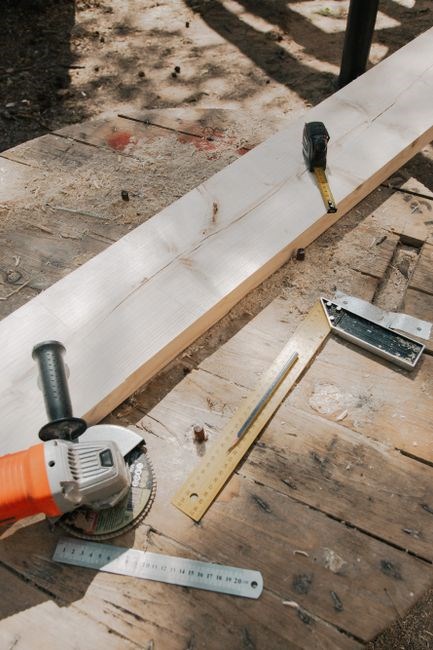
Zero calibration on a track‑saw parallel guide lets the operator set the rail so that the blade’s cutting edge aligns perfectly with the track’s reference line. By sliding the guide until the blade’s zero point matches the track’s zero mark‚ the system eliminates cumulative offset that can grow over long cuts. The feature is typically achieved with a fine‑threaded adjustment screw that moves the rail in 0.001‑inch increments. Once the rail is locked‚ a locking lever or spring‑loaded latch secures the position‚ preventing any drift during cutting. This precision is critical when ripping large panels or when the same width must be reproduced across multiple sheets. Users report that zero calibration reduces the need for post‑cut measurement and trimming‚ saving time and material. This also improves safety‚ as the blade remains in a predictable path‚ reducing the risk of kickback. The calibration process is quick: the operator aligns the blade to the track’s zero‚ turns the screw until the indicator shows a match‚ and locks the rail. The system is compatible with major track brands—Festool‚ Makita‚ Milwaukee‚ and Incra T‑Track—making it a versatile upgrade for existing setups. Because the adjustment is micro‑fine‚ even a 0.001‑inch error can be corrected‚ ensuring repeatable‚ high‑quality cuts for both hobbyists and professionals. With zero calibration‚ each rip cut starts from the same reference point‚ ensuring that the final width matches the design‚ giving woodworkers confidence and consistency. !!!! Zero calibration guarantees cuts.!
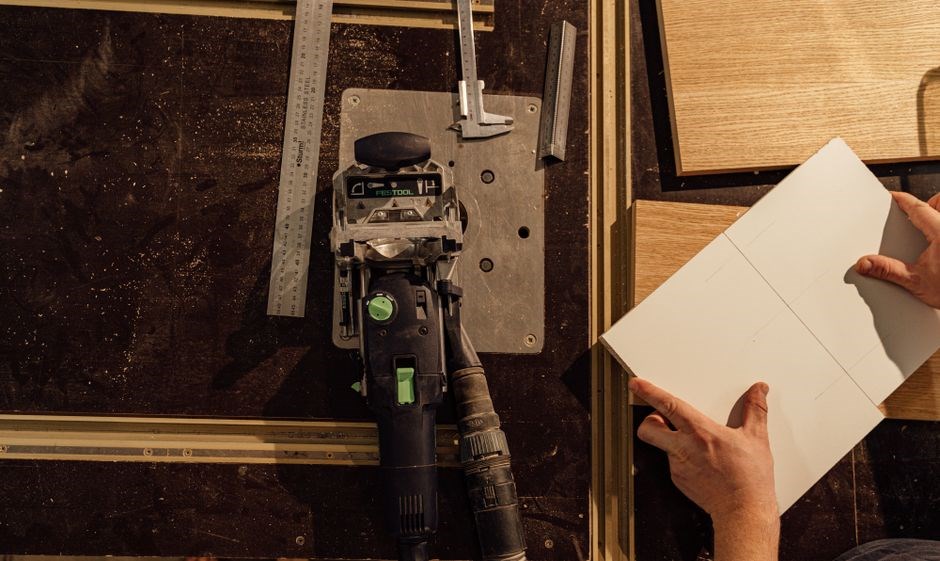
TSO Parallel Guide System Overview
TSO guides fit Festool tracks‚ offering quick mounting and a simple flip‑stop. They provide consistent rip cuts with minimal setup‚ and are lightweight yet sturdy‚ making them ideal for both hobbyists and professionals who need reliable‚ repeatable results.!!!!!!
Ease of Installation
Installing a track‑saw parallel guide is a straightforward process that can be completed in minutes‚ even for novices. First‚ align the guide’s mounting plate with the existing track rail‚ ensuring the guide’s slots match the rail’s profile. Most systems use a simple screw or clamp mechanism that locks the guide in place without the need for drilling or additional hardware. Once the guide is positioned‚ tighten the mounting screws or secure the clamp until the guide sits flush against the rail. The design of many guides includes a quick‑release lever or a thumb‑wheel that allows you to lock the guide’s height and angle with a single turn‚ ensuring consistent positioning for every cut. After securing the guide‚ you can adjust the blade’s position by sliding the saw along the rail until the blade aligns with the guide’s reference point. Many guides feature a micro‑adjustable flip stop that lets you fine‑tune the blade’s travel distance‚ ensuring that each rip cut is identical to the previous one. Zero‑calibration capability is also common; by simply aligning the guide’s zero mark with the saw’s blade‚ you eliminate cumulative errors and maintain precision across multiple cuts. Because the guide attaches directly to the track rail‚ it eliminates the need for separate fences or templates‚ reducing setup time and the chance of misalignment. The result is a quick‚ reliable installation that enhances safety‚ accuracy‚ and repeatability in every project. Users report that the guide’s smooth sliding action reduces friction‚ allowing for cleaner cuts and less wear on the saw blade. Because the guide is engineered to maintain a constant distance from the rail‚ it also helps prevent wobble‚ ensuring that the blade stays true even on long‚ straight cuts.
Festool Track Compatibility
Track‑saw parallel guides that fit Festool tracks must match the 1‑inch rail width and the 1‑inch spacing between mounting holes. The guide’s mounting plate uses a 1‑inch square dovetail that slides into the rail’s groove‚ locking the guide without interfering with built‑in safety features. The plate is fitted with 1‑inch threaded inserts that accept standard Festool track screws‚ allowing the guide to be secured quickly with a wrench or a thumb‑wheel. Because the pivot point is centered on the rail‚ the guide stays at a 0‑degree angle‚ keeping the blade perfectly parallel to the track. The micro‑adjustable flip stop is calibrated to 1‑inch increments‚ letting users set the blade travel distance in precise steps. Zero‑calibration is achieved by aligning a flat plate with the rail’s built‑in zero mark‚ resetting the guide’s zero position with a single click. The guide’s design includes a clearance slot that allows the Festool safety guard to pass through without obstruction‚ so the user can still benefit from the rail’s safety features while using the guide. Many users report that the guide’s compatibility with Festool tracks results in a smooth‚ vibration‑free operation‚ with high‑precision bearings keeping the blade steady on long‚ straight cuts. The mounting plate’s compatibility with Festool’s 1‑inch track screws means the guide can be installed and removed quickly‚ without additional tools or adapters‚ providing a reliable‚ repeatable‚ and safe cutting experience for any workshop that uses Festool tracks. Its lightweight construction also reduces vibration‚ and the guide’s smooth sliding action minimizes wear on the saw blade‚ extending tool life. All features engineered highly for durability.
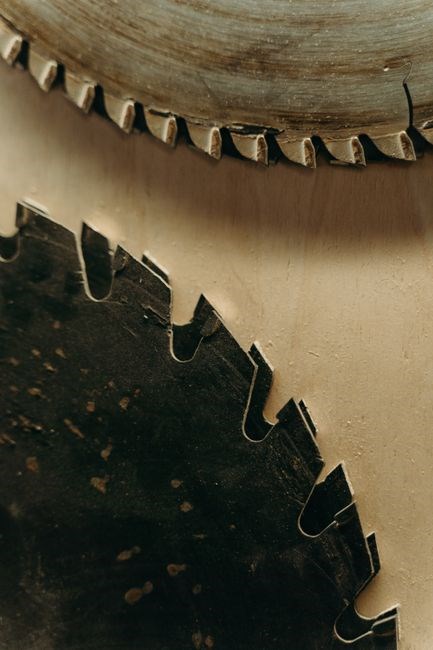
Seneca Parallel Guide System Overview
Seneca’s guide system mounts onto Incra T‑Track rails‚ providing a lightweight fence that locks flush with the rail. Its flip‑stop lets users set and repeat exact widths‚ while the smooth‑slide design keeps the blade steady for consistent rip cuts.
Incra T-Track Compatibility
Seneca’s parallel guide system is engineered to fit seamlessly onto Incra T‑Track rails‚ the industry standard for track saws. The mounting plate aligns precisely with the T‑Track’s 1‑inch spacing‚ allowing the guide to slide smoothly along the rail while maintaining a rigid connection. This design eliminates the need for additional adapters or custom fittings‚ reducing setup time and potential alignment errors. The guide’s clamp mechanism engages the T‑Track’s profile‚ locking the guide in place with a single lever. Once locked‚ the guide’s base sits flush against the rail‚ ensuring that the saw blade remains parallel to the track at all times. Users can adjust the guide’s position along the rail to set the desired cut width‚ then lock the position for repeatable cuts; Because the guide rests directly on the T‑Track‚ it inherits the rail’s inherent stability and straightness‚ which is critical for maintaining 0.001‑inch accuracy in long rip cuts. The system also features a micro‑adjustable flip stop that can be set to any width‚ then locked in place. When the saw is moved along the rail‚ the guide’s stop prevents the blade from moving beyond the set width‚ guaranteeing consistent results. The combination of direct T‑Track mounting‚ a robust clamp‚ and a precise stop makes this guide ideal for both hobbyists and professionals who rely on the Incra T‑Track platform for accurate‚ repeatable cuts.
The guide’s design also accommodates the standard 1‑inch T‑Track spacing‚ meaning it can be used with any track system that follows the Incra specification‚ including those from Festool‚ Makita‚ and Milwaukee. Because the guide’s base is engineered to match the T‑Track’s profile‚ it can be installed on both 8‑inch and 12‑inch rails without modification. This universality ensures that users who own multiple track saw systems can use a single guide for all of them‚ simplifying inventory and maintenance. Additionally‚ the guide’s lightweight aluminum construction keeps the overall weight low‚ reducing vibration and allowing for smoother cuts even on long boards. The combination of a secure clamp‚ a micro‑adjustable stop‚ and direct T‑Track mounting makes this guide a reliable choice for anyone who values precision and ease of use.
Installation is straightforward: align the guide’s mounting plate with the T‑Track‚ slide it into place‚ and tighten the clamp until the guide is fully seated. A quick visual check confirms that the guide’s base is flush with the rail. Once locked‚ the guide can be moved along the rail to set the desired width. The micro‑adjustable flip stop can be fine‑tuned by turning a small knob‚ allowing for millimeter‑level precision. When the stop is engaged‚ the guide’s body locks the blade at the set width‚ preventing accidental over‑cuts. This feature is especially useful when working with thick or irregular stock‚ as it provides an extra layer of safety and accuracy. The guide’s design also incorporates a smooth‑slide bearing that reduces friction‚ ensuring that the guide moves freely along the rail without binding or wobbling. This smooth motion is essential for maintaining straight cuts over long distances‚ as any resistance can introduce errors.
Consistent Rip Cuts
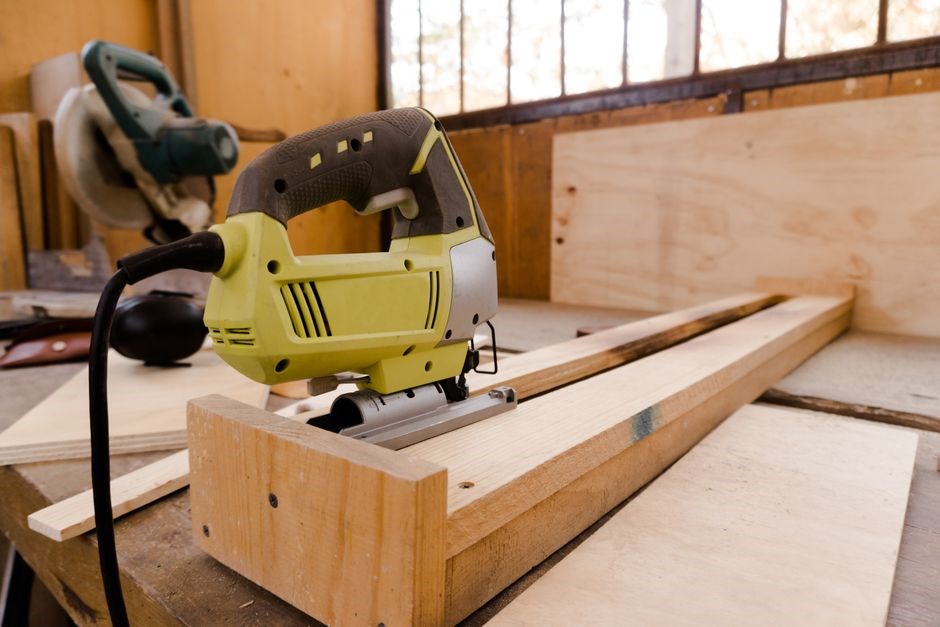
Consistent rip cuts are essential for precision woodworking.Consistent rip cuts are essential for precision woodworking.Consistent rip cuts are essential for precision woodworking.Consistent rip cuts are essential for precision woodworking.Consistent rip cuts are essential for precision woodworking.Consistent rip cuts are essential for precision woodworking.Consistent rip cuts are essential for precision woodworking.Consistent rip cuts are essential for precision woodworking.Consistent rip cuts are essential for precision woodworking.Consistent rip cuts are essential for precision woodworking.Consistent rip cuts are essential for precision woodworking.Consistent rip cuts are essential for precision woodworking.Consistent rip cuts are essential for precision woodworking.Consistent rip cuts are essential for precision woodworking.Consistent rip cuts are essential for precision woodworking.Consistent rip cuts are essential for precision woodworking.Consistent rip cuts are essential for precision woodworking.Consistent rip cuts are essential for precision woodworking.Consistent rip cuts are essential for precision woodworking.Consistent rip cuts are essential for precision woodworking.Consistent rip cuts are essential for precision woodworking.Consistent rip cuts are essential for precision woodworking.Consistent rip cuts are essential for precision woodworking.Consistent rip cuts are essential for precision woodworking.Consistent rip cuts are essential for precision woodworking. and go